Prompt Library

Same Face Outfit Change Prompt

By AI Trend Prompt Hub Editorial Team · Updated 2026-07-02 · 20 copy-ready prompts · 6 FAQs

Use this same face outfit change prompt when you want an AI editor to replace clothing while keeping the person recognizable. This page focuses on the exact long-tail queries already appearing in Search Console: same face outfit, outfit change prompt, change clothes prompt, clothes swap prompt, and replace only the outfit. The safest structure is to separate the target clothing from the preservation rules: keep face, identity, pose, body shape, hands, background, lighting, camera angle, and image quality unchanged.

Built from GSC outfit-change queriesKeeps face, body, pose, lighting, and background unchangedFor ChatGPT, Gemini, and AI photo editors with image upload

What is Same Face Outfit Change Prompt?

The best same face outfit change prompt is: Replace only the outfit with [new outfit]. Keep the face exactly unchanged, including identity, expression, skin tone, hairstyle, pose, body shape, hands, background, lighting, camera angle, and photo quality. The new outfit must fit naturally with realistic fabric folds, seams, perspective, and matching shadows. Do not change the face, body, background, or overall photo style. This works best when the source image has a clear full-body or half-body view and the prompt describes garment type, fit, fabric, color, and season.

Prompt Library

Copy a prompt, replace the placeholders, and run quick variations.

20 prompts

Prompt 1

Replace only the outfit with [new outfit]. Keep the face exactly unchanged, preserve identity, expression, skin tone, hairstyle, pose, body shape, hands, background, lighting, camera angle, and photo quality. Make the outfit fit naturally with realistic folds, seams, fabric texture, perspective, and matching shadows.

Prompt 2

Use the uploaded photo as the source image. Change only the clothing to [clothing description]. Do not change the person, face, body proportions, hands, pose, background, lens, lighting, color grade, or image quality. The final image should look like the original photo with only the outfit changed.

Prompt 3

Apply the outfit from the reference image to the person in the main image. Preserve the main image face, identity, body shape, pose, skin tone, hairstyle, background, camera angle, and lighting. Keep the outfit design, color, fabric, and fit from the reference image. Make it photorealistic.

Prompt 4

Replace the shirt with [new shirt]. Keep the same face, same expression, same pose, same arms, same hands, same body shape, same background, and same lighting. Match fabric folds and shadows to the original photo.

Prompt 5

Change the dress to [new dress]. Preserve identity, face, hair, expression, hands, waist shape, pose, background, camera perspective, and photo quality. Add realistic dress fabric, natural folds, correct sleeve or strap placement, and matching shadows.

Prompt 6

Create a professional outfit swap: replace current clothing with [business outfit]. Keep the face, identity, pose, body, hair, hands, background, lighting, and camera unchanged. The clothing must look tailored and naturally worn, not pasted on.

Prompt 7

Create a casual outfit change: replace only the clothes with [casual outfit]. Keep the person exactly the same. Preserve facial features, body proportions, pose, background, natural light, and camera angle. Add realistic cotton texture and soft clothing folds.

Prompt 8

Create a fashion try-on edit using [target garment]. Keep the original person, face, body shape, pose, hands, hair, room, lighting, shadows, and photo style unchanged. Make the garment fit the body naturally with realistic seams and drape.

Prompt 9

Swap the outfit to [streetwear outfit]. Do not alter the face, expression, hairstyle, skin tone, body size, posture, background, or lens. Add believable fabric weight, layered clothing edges, and shadows that match the original lighting.

Prompt 10

Replace only the outerwear with [jacket or coat]. Keep the same shirt if visible, same face, same pose, same hands, same background, and same lighting. Make the coat overlap the body naturally with realistic sleeve length and collar shape.

Prompt 11

Use the outfit reference to redress the person in the source photo. Keep the source photo identity, pose, body proportions, hair, face, hands, background, lighting, and camera unchanged. Preserve reference outfit color, silhouette, looseness, fabric texture, and accessories if visible.

Prompt 12

Change the clothes for a LinkedIn-ready photo: [blazer, shirt, color]. Preserve face, expression, hairstyle, posture, shoulders, background, lighting, and camera angle. Make the outfit clean, realistic, and professional without changing identity.

Prompt 13

Change only the lower-body clothing to [pants or skirt]. Keep the top, face, pose, hands, background, lighting, body proportions, and camera angle unchanged. Match fabric folds, waistband, seams, and shadows to the source photo.

Prompt 14

Replace the full outfit with [seasonal outfit]. Keep the person, face, pose, body shape, hair, hands, background, lighting, color tone, and image quality identical. Make the clothing fit the season with natural fabric texture and realistic shadows.

Prompt 15

Make a before-after outfit edit: keep the left panel as the original photo and create a right panel with only the outfit changed to [new outfit]. Same face, same body, same pose, same background, same camera, and same lighting in both panels.

Prompt 16

Change the outfit color to [color] while keeping the same garment type. Preserve the face, identity, pose, body shape, hair, hands, background, lighting, texture, and photo realism. Only the clothing color should change.

Prompt 17

Replace the outfit with [formal outfit] for an event photo. Keep the exact same face, expression, hair, body, pose, hands, background, lighting, camera, and image quality. Add realistic formal fabric, natural fit, and correct shadows.

Prompt 18

Create a wardrobe test image with three outfit options for the same source photo: [option 1], [option 2], [option 3]. Keep the same face, pose, body shape, background, lighting, camera angle, and photo style across all options.

Prompt 19

Fix a failed outfit swap. Keep the original face, identity, body proportions, hands, pose, background, and lighting. Replace only unnatural clothing edges with realistic fabric folds, seams, sleeve alignment, shadows, and texture.

Prompt 20

Strict edit mode: change only [specific clothing item]. No face change, no body reshaping, no pose change, no hand change, no background replacement, no lighting change, no camera change, no skin smoothing, no style transfer. Make the clothing look naturally worn.
Prompt Builder

Build a usable prompt faster

Fill in the core details, copy the result, then refine one variable at a time inside your image model.

Generated prompt

Create a Same Face Outfit Change Prompt image of a real person. Style: realistic studio photo. Format: 1:1 square. Include natural lighting, clear focal point, realistic texture. Keep the composition clean, avoid distorted hands or unreadable text, and make the result ready for a social media post.

Prompt Quality Checklist

Use this checklist before you rerun a prompt. It keeps the output focused and makes it easier to improve one variable at a time.

One clear subject
Specific setting or background
Lighting and camera direction
Output format or aspect ratio
What should stay consistent
What to avoid or edit later

Best Use Cases

Testing a professional outfit before updating a profile photo.
Trying social media outfits while keeping the same face and pose.
Creating e-commerce or creator wardrobe previews from one source image.
Replacing a shirt, dress, jacket, or pants without changing the person.
Fixing failed AI edits where the face or body changed too much.
Building before-after examples for outfit swap prompt tests.

How to Use

  1. 1Upload the source photo or use an AI editor that supports image input.
  2. 2Choose one prompt and replace the bracketed outfit details with a concrete garment, fabric, color, and fit.
  3. 3Keep the preservation rules in the prompt even if they feel repetitive; they are the point of the edit.
  4. 4Run one simple outfit change first before trying full wardrobe variations or before-after layouts.
  5. 5If the face changes, add stricter language: no identity change, no face change, no body reshaping, and change only the outfit.

Examples

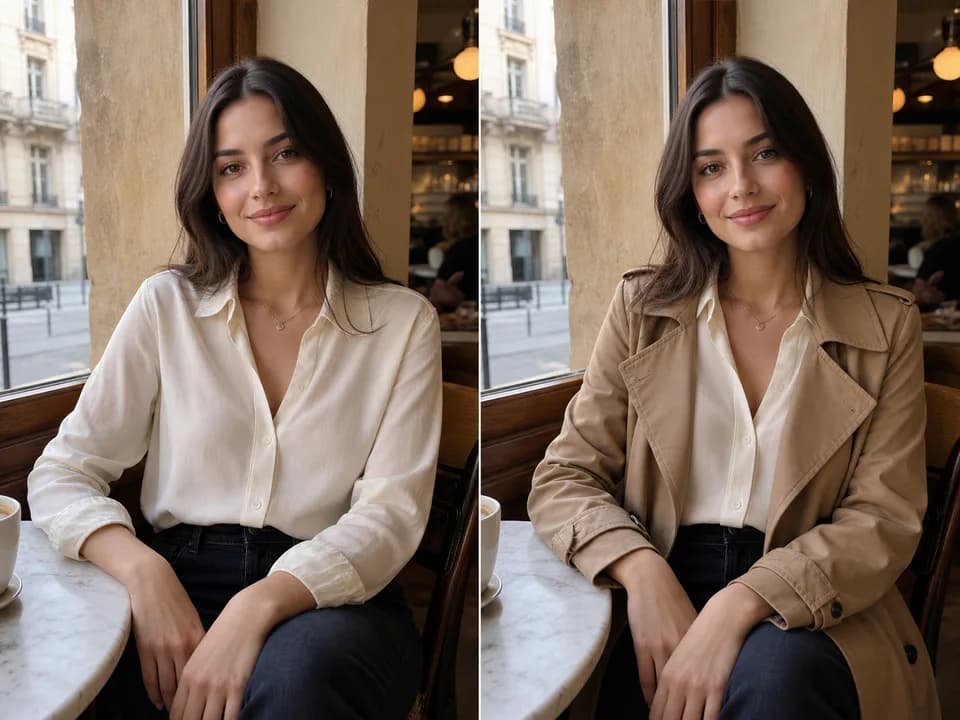
Same-face outfit swap example set example for Same Face Outfit Change Prompt

Same-face outfit swap example set

AI-generated example image

This example shows why the preservation rules matter: the useful result is not a new portrait, but the same photo with only clothing changed.

Prompt used: Replace only the outfit. Keep face, pose, body shape, background, lighting, and camera angle unchanged. Make the new clothing fit naturally with realistic folds and shadows.

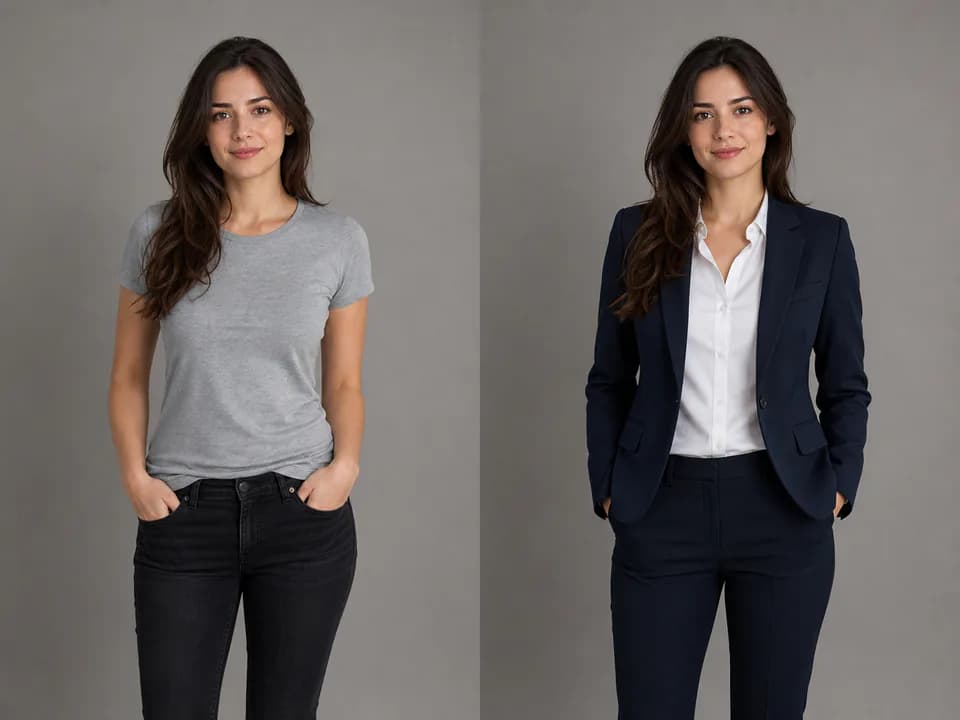
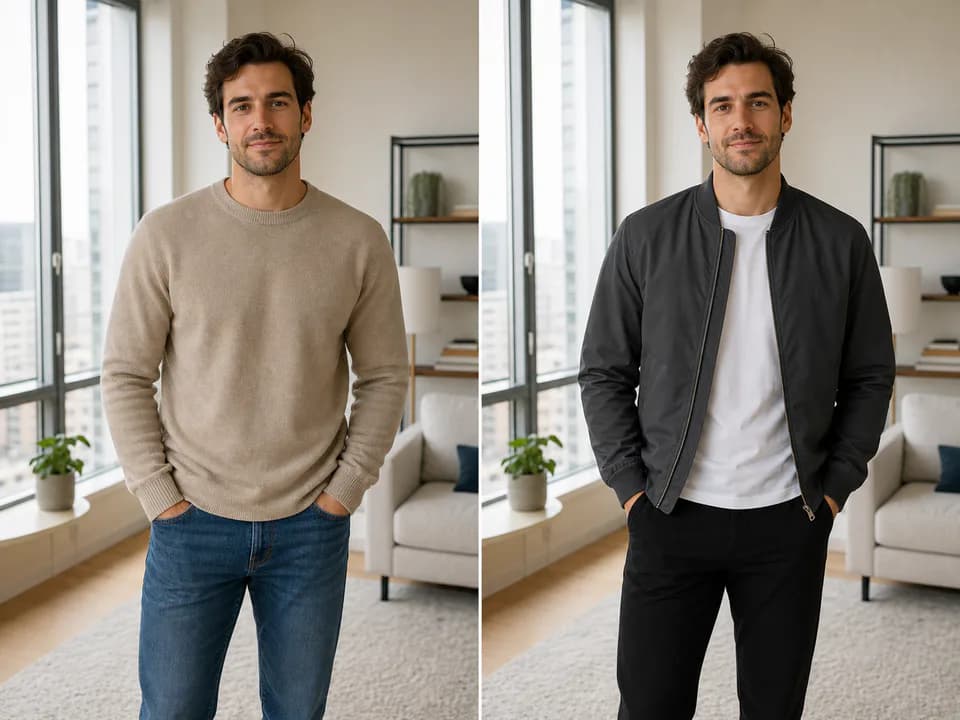
Before-after clothing change layout example for Same Face Outfit Change Prompt

Before-after clothing change layout

Example prompt layout

A before-after layout makes the page easier to understand and gives searchers a format they can reuse.

Prompt used: Create a before-after layout where the right panel changes only the outfit while preserving identity, pose, lighting, and background.

Best Settings

  • Use a source image with clear clothing edges and visible body shape.
  • Use edit mode, inpaint mode, or image upload when available instead of text-only generation.
  • Describe garment type, fit, fabric, color, sleeve length, neckline, and season.
  • Preserve identity, face, pose, body shape, hands, background, lighting, camera angle, and photo quality in every prompt.
  • Ask for realistic fabric physics: folds, seams, drape, perspective, and matching shadows.

Common Mistakes

  • Asking for a full makeover instead of changing only clothing.
  • Leaving out face and identity preservation rules.
  • Using vague clothing words like nice outfit or stylish clothes.
  • Changing clothing, background, pose, and lighting in one prompt.
  • Ignoring hands, collars, sleeves, waistbands, and shadows, where outfit edits often fail.

FAQ

What is the best same face outfit change prompt?+

Use: Replace only the outfit with [new outfit]. Keep the face exactly unchanged, preserve identity, expression, skin tone, hairstyle, pose, body shape, hands, background, lighting, camera angle, and photo quality. Make the new outfit fit naturally with realistic folds, seams, fabric texture, perspective, and matching shadows.

How do I change clothes without changing the face?+

Use an image editor with upload or edit mode, describe only the clothing change, and repeat strict preservation rules for face, identity, pose, body shape, hands, background, lighting, and camera angle.

Why does AI change my face during outfit swaps?+

Many models redraw the whole photo when the prompt is vague. Add strict edit boundaries such as change only clothing, preserve identity, no face change, no body reshaping, and keep the original lighting and background.

Can I use an outfit reference image?+

Yes. Tell the model to apply the outfit from the reference image to the person in the source photo while preserving the source face, pose, body shape, background, lighting, and camera angle.

What details should I include in an outfit change prompt?+

Include garment type, fit, fabric, color, sleeve or neckline details, season, realism level, and the exact details that must stay unchanged.

Is this different from an AI clothes changer prompt?+

It is a narrower version. AI clothes changer prompts can cover many clothing edits, while a same-face outfit change prompt focuses on identity preservation and strict edit boundaries.

Get daily same-face outfit prompt ideas

Get more same-face outfit change prompts

Open the prompt feed for daily viral AI image ideas, Chinese notes, and ready-to-use prompt updates.